
Blog
Pressure-Treated vs Composite Decking: What Actually Lasts Through Massachusetts Winters
Choosing the right material for your new deck is a big decision, especially when you consider the harsh New England winters. In Massachusetts, your deck needs to withstand heavy snow, ice, freezing temperatures, and then the inevitable thaw. The two most popular choices, pressure-treated wood and composite decking, each offer distinct advantages and disadvantages.
This guide will break down the differences between pressure-treated vs composite decking in Massachusetts, helping you understand which option provides the best long-term value, durability, and aesthetic appeal for your home. We’ll cover everything from upfront costs and maintenance to how each material holds up against our challenging climate.
Pressure-Treated vs Composite Decking in Massachusetts: A Durability Showdown
When it comes to building a deck that can endure Massachusetts’ extreme weather, durability is key. Both pressure-treated wood and composite decking have their strengths, but they perform differently under the stress of snow, ice, and fluctuating temperatures. Understanding these differences is crucial for making an informed choice.
Pressure-Treated Wood: The Traditional Choice
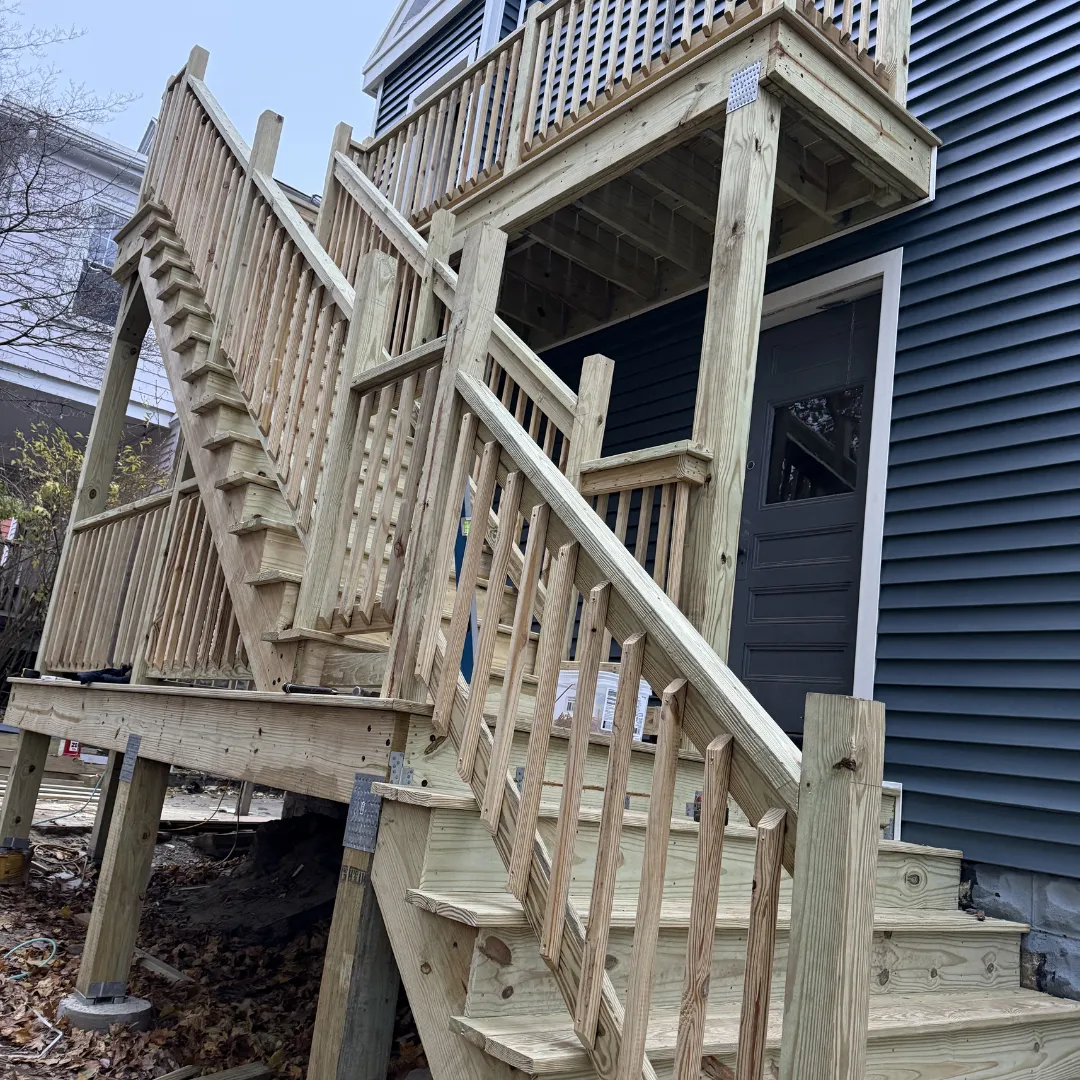
Pressure-treated lumber has long been the go-to for decks due to its affordability and natural wood aesthetic. It’s wood (typically pine or fir) that has been chemically treated to resist rot, fungal decay, and insect infestation. This treatment significantly extends its lifespan compared to untreated wood.
- Pros for Massachusetts Winters: The chemical treatment makes it surprisingly resilient against moisture and rot, which is a major concern with snowmelt. It’s also very strong and can handle heavy snow loads. Repairing individual boards is relatively easy and cost-effective.
- Cons for Massachusetts Winters: Despite treatment, pressure-treated wood can still warp, crack, and splinter over time due to constant expansion and contraction from temperature changes. It requires regular maintenance, including cleaning, staining, or sealing every 1-3 years, to protect it from moisture and UV damage. Without proper care, it can quickly show its age.
Composite Decking: The Modern Alternative
Composite decking is engineered from a blend of recycled plastic and wood fibers, offering a low-maintenance and highly durable alternative to traditional wood. Brands like Trex, TimberTech, and Azek are popular for their robust performance.
- Pros for Massachusetts Winters: Composite materials are designed to resist moisture, rot, insects, and warping. They won’t splinter, crack, or twist, making them incredibly stable in varying temperatures. Many composite boards also feature a protective cap layer that enhances stain and fade resistance, crucial for areas exposed to winter elements. Minimal maintenance is required, usually just an occasional cleaning.
- Cons for Massachusetts Winters: The upfront cost is significantly higher than pressure-treated wood. While more durable, some older or lower-quality composites can still be susceptible to fading or mold in shaded, damp areas if not properly maintained. Repairing a single damaged board can be more challenging and expensive than with wood.
Cost Comparison: What to Expect for Your Massachusetts Deck Project
The initial investment is often a major factor in deciding between pressure-treated and composite decking. While pressure-treated wood is cheaper upfront, the long-term costs of maintenance can narrow the gap over time.
Pressure-Treated Decking Costs*
For pressure-treated decking, you can generally expect to pay between $15* to $35* per square foot for materials and installation. This range depends on the complexity of the deck design, the type of lumber, and any additional features like railings or stairs.
- Material Cost: Pressure-treated lumber is typically the most budget-friendly option, often costing $2* to $5* per linear foot for decking boards.
- Installation Cost: Labor costs will vary, but given the straightforward installation, it’s generally less expensive than composite.
- Long-Term Costs: Factor in annual cleaning, staining, or sealing, which can add $200* to $600* every few years, plus the cost of any repairs due to warping or splintering.
Composite Decking Costs*
Composite decking typically ranges from $30* to $60* per square foot installed. While the initial price is higher, the reduced maintenance often makes it a competitive option over the deck’s lifespan.
- Material Cost: Composite boards are more expensive, usually ranging from $5* to $12* per linear foot, with premium capped composites at the higher end.
- Installation Cost: Installation can be slightly more complex, sometimes requiring specialized fasteners, which can slightly increase labor costs.
- Long-Term Costs: Maintenance is minimal, typically involving only occasional cleaning. This significantly reduces long-term expenses compared to wood.
*Pricing varies based on project scope, materials selected, and site conditions. Contact us for a personalized estimate.
Maintenance and Lifespan in the Massachusetts Climate
Massachusetts weather is notoriously tough on outdoor structures. Understanding the maintenance requirements and expected lifespan of each decking material will help you choose wisely.
Caring for Pressure-Treated Decks
To maximize the life of your pressure-treated deck in Massachusetts, consistent maintenance is non-negotiable.
- Cleaning: Annual cleaning with a deck cleaner and a power washer (on a low setting) will remove dirt, mildew, and algae.
- Staining/Sealing: Reapply a quality stain or sealant every 1-3 years. This protects the wood from UV rays, moisture absorption, and helps prevent warping and cracking.
- Repairs: Be prepared to address splinters, loose boards, or minor rot as they appear.
With diligent care, a pressure-treated deck can last 15-20 years, though its appearance may degrade over time compared to composite.
Caring for Composite Decks
One of the biggest draws of composite decking is its low maintenance.
- Cleaning: Simple soap and water, or a specialized composite deck cleaner, is usually all that’s needed to remove dirt and grime.
- No Staining/Sealing: Composite decking never needs to be stained, sealed, or painted, saving you significant time and money over its lifespan.
- Repairs: While highly durable, if a board is severely damaged, it may need to be replaced.
Composite decks typically come with warranties ranging from 25 years to a limited lifetime, and many can last 25-30 years or more with minimal fuss, maintaining their appearance much better than wood.
Aesthetics and Resale Value
Beyond durability and cost, the look and feel of your deck, as well as its potential impact on your home’s resale value, are important considerations.
The Look of Natural Wood
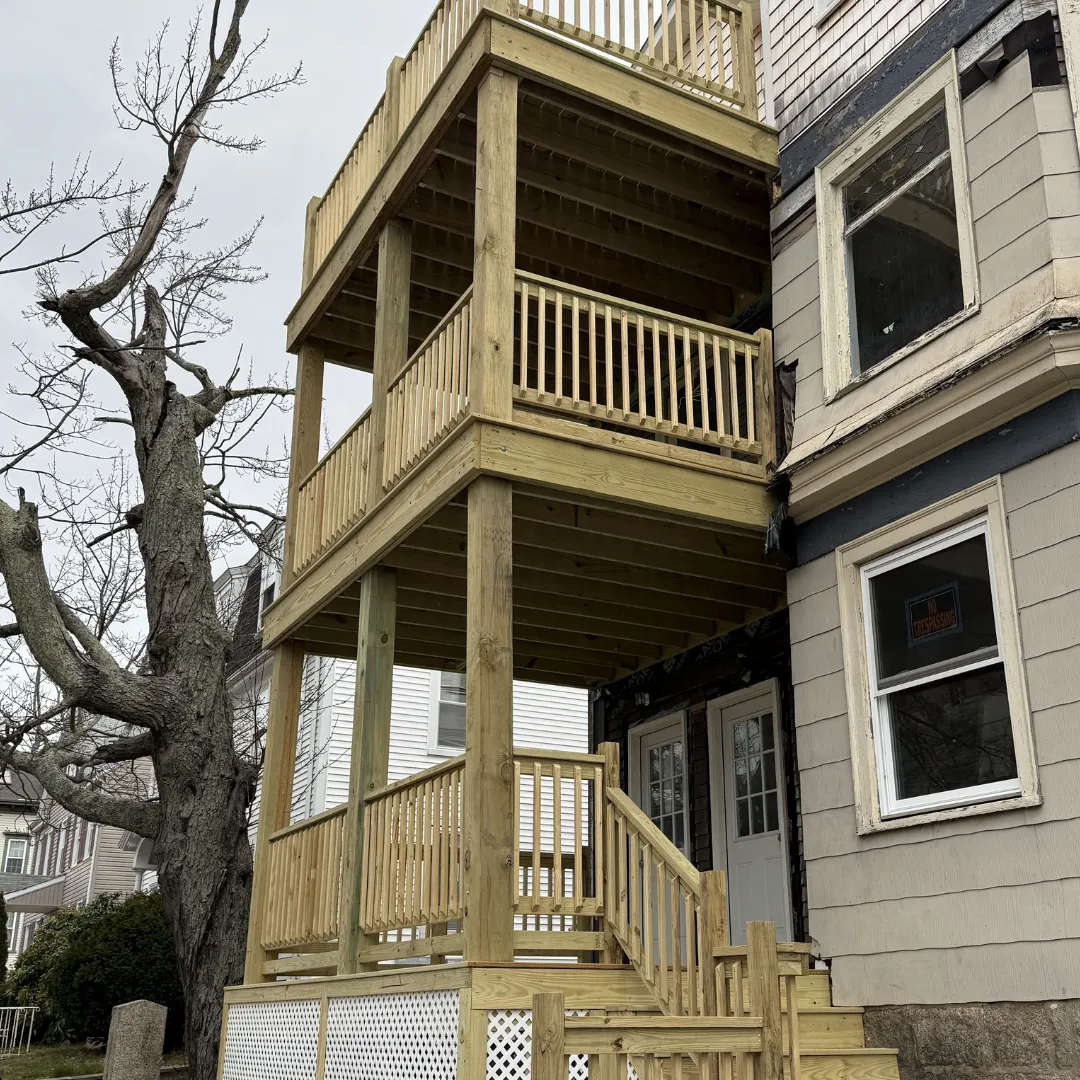
Pressure-treated wood offers an authentic, natural wood appearance that many homeowners love. It can be stained in various colors to match your home’s exterior, and the grain patterns are unique to each board. However, this natural look requires constant upkeep to prevent weathering. Over time, even with maintenance, it can lose some of its initial charm.
The Versatility of Composite
Composite decking has come a long way in mimicking the look of real wood. Modern composite boards are available in a wide array of colors, textures, and grain patterns, often indistinguishable from exotic hardwoods. They offer a consistent, polished look that requires no staining. For homeowners seeking a uniform, pristine appearance that lasts, composite is an excellent choice.
Resale Value
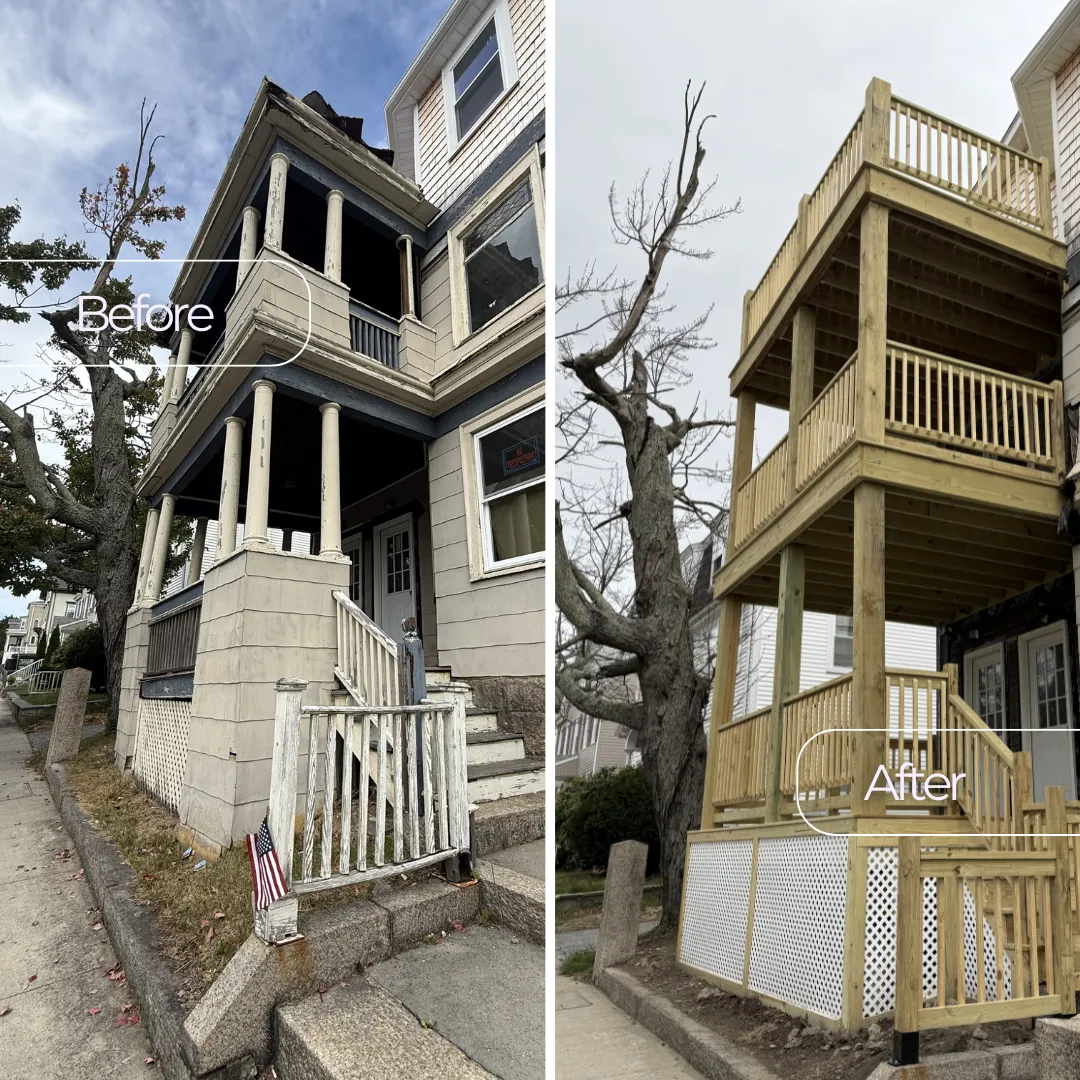
Both types of decks can add value to your home. However, a low-maintenance composite deck is often seen as a significant upgrade by potential buyers in Massachusetts, who appreciate not having to worry about constant staining and repairs. The perceived higher quality and longevity of composite can lead to a better return on investment, especially in a competitive housing market.
Environmental Impact and Sustainability
For environmentally conscious homeowners, the sustainability of decking materials is another factor to consider.
Pressure-Treated Wood
While wood is a renewable resource, the chemical treatment process raises some environmental concerns. The chemicals used to prevent rot and insects can be harmful if not disposed of properly. However, responsible forestry practices and advancements in treatment methods are making pressure-treated wood a more sustainable option.
Composite Decking
Composite decking often uses recycled materials, such as plastic bags and wood scraps, diverting waste from landfills. This makes it a highly sustainable choice. The manufacturing process is also becoming more energy-efficient, further reducing its environmental footprint.
Which Decking is Right for Your Massachusetts Home?
Ultimately, the choice between pressure-treated and composite decking depends on your priorities, budget, and willingness to perform maintenance.
- Choose Pressure-Treated if: You have a tighter upfront budget, prefer the natural look and feel of real wood, and are prepared for regular maintenance (cleaning, staining, sealing) every few years to protect it from Massachusetts winters.
- Choose Composite if: You prioritize low maintenance, long-term durability against harsh weather, a consistent aesthetic, and are willing to make a higher initial investment for a deck that requires minimal upkeep and offers a longer warranty.
Both options, when properly installed by experienced professionals, can provide a beautiful and functional outdoor living space for your home. To learn more about our deck construction services, visit our Deck and Porch Construction page.
FAQ
Common questions about pressure-treated vs composite decking in Massachusetts.
Which is better for Massachusetts winters: pressure-treated or composite decking?
Composite decking generally performs better in Massachusetts winters due to its superior resistance to moisture, rot, warping, and cracking caused by freezing temperatures and heavy snow. Pressure-treated wood is durable but requires more consistent maintenance to withstand the elements.
How much does composite decking cost compared to pressure-treated wood in Massachusetts?
Composite decking typically has a higher upfront cost, ranging from $30* to $60* per square foot installed, while pressure-treated wood costs $15* to $35* per square foot installed. However, composite decking has lower long-term maintenance costs.
Does pressure-treated wood warp or crack in Massachusetts weather?
Yes, even with chemical treatment, pressure-treated wood can still warp, crack, and splinter over time due to the extreme temperature fluctuations and moisture cycles of Massachusetts winters. Regular staining and sealing help mitigate this.
Is composite decking truly maintenance-free?
While not entirely maintenance-free, composite decking is very low-maintenance. It doesn’t require staining or sealing, only occasional cleaning with soap and water to remove dirt, pollen, or mildew, making it ideal for busy homeowners in Massachusetts.
What is the typical lifespan of pressure-treated vs composite decking?
A well-maintained pressure-treated deck can last 15-20 years. Composite decking, with its inherent durability and minimal upkeep, often lasts 25-30 years or more, frequently backed by longer warranties.
Does composite decking fade in the sun?
Modern, high-quality composite decking, especially capped composite, is engineered with UV inhibitors and protective layers to resist fading. While some slight color change can occur over many years, it’s significantly more fade-resistant than untreated or poorly maintained wood.
Related Posts & Services
- Deck & Porch Construction Services
- Cost to Build a Deck in Massachusetts: A 2026 Guide
- Triple Decker Porch Construction in Greater Boston
- Best Time of Year to Build a Deck in New England
- Full Home Renovation Services
- Tinbercraft Construction Homepage
Ready to Build Your Dream Deck in Massachusetts?
Whether you’re leaning towards the natural appeal of pressure-treated wood or the low-maintenance luxury of composite decking, our experienced and licensed team can help you design and build a deck that perfectly suits your home and withstands the unique challenges of Massachusetts weather. For expert advice on pressure-treated vs composite decking, contact us today for a free consultation and estimate.
Prefer to dial directly? +1 (844) 547-4633